Vivah Panchami: why many homes avoid weddings on Ram and Sita’s day
Vivah Panchami marks Ram and Sita’s wedding, yet many homes avoid marrying off a daughter on it. Sita and the furrow, Shiv ji’s bow, four weddings in one day, and the two beliefs about the date.
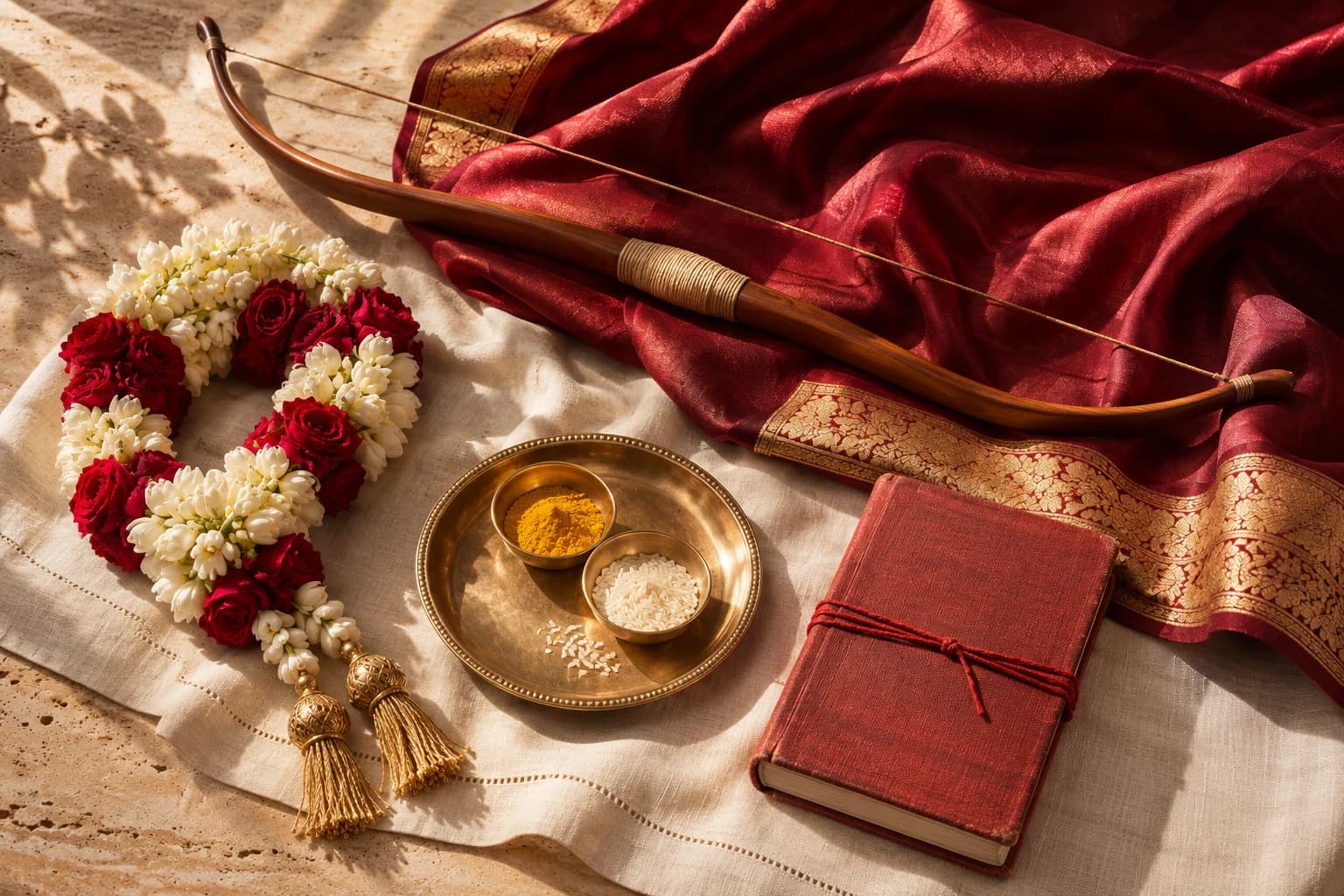
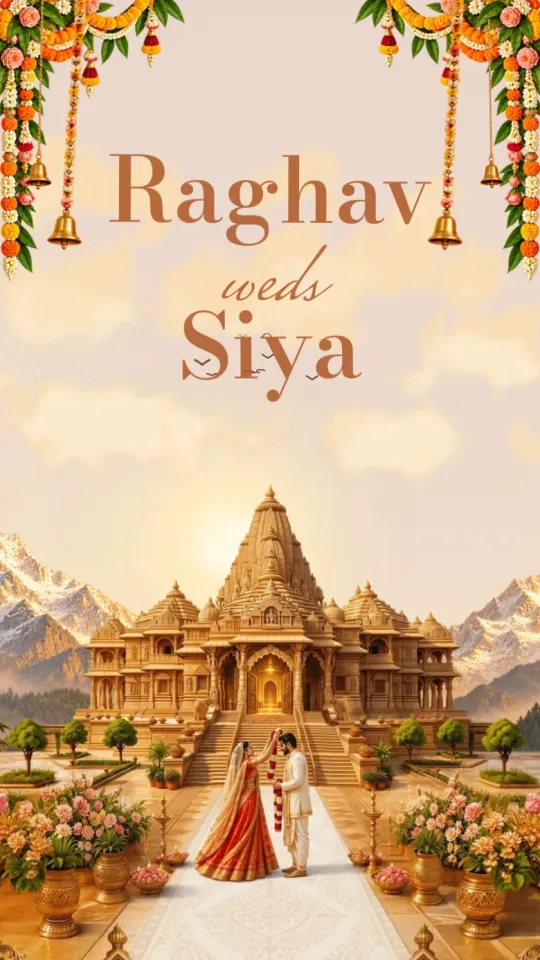
Vivah Panchami marks the wedding of Ram and Sita, on Margashirsha Shukla Panchami, the fifth day of the bright half of Margashirsha. Ayodhya and Janakpur celebrate it like a real wedding. Yet many families in Mithila and parts of UP and Bihar avoid fixing a daughter’s wedding on it, because of the hardships Sita faced after hers.
In Janakpur, there is a baraat. In Ayodhya, processions set out as if for a wedding. There are songs, a jaimala and crowds along the way, all for the most famous wedding in Indian storytelling. And in plenty of homes not far away, it is the one day the family would rather not marry off a daughter.
What is Vivah Panchami?
Vivah means wedding, and Panchami is the fifth day of a lunar fortnight. Vivah Panchami falls on the Panchami of the bright half of Margashirsha, usually in late November or December, and marks the day Ram and Sita were married. In 2026 it is on Monday 14 December, according to drikpanchang for New Delhi. It falls a day earlier in the US and Canada, and dates vary by region and panchang.
Sita, from the furrow
The story, as the Valmiki Ramayana tells it, begins in a field. King Janak of Mithila was ploughing the ground for a yagya when, in the furrow of the plough, he found a baby girl. She was named Sita, which means the furrow.
Shiv ji’s bow, Pinaka
In Janak’s palace lay Shiv ji’s great bow, Pinaka, kept by his family for generations. Janak set a condition: whoever could string it would marry Sita. Kings came and failed. Some, as the joke goes, turned back just looking at it.
Raja aaye, haare. Kuch toh dhanush dekh ke hi laut gaye. Kings came, and lost. Some turned back just looking at the bow.
Then Ram came, with his brother Lakshman and the sage Vishwamitra. He drew the string, and the bow broke with a crash like thunder. The Ramcharitmanas tells it as a swayamvar, with kings gathered in the hall, and Sita places the jaimala, the wedding garland, on Ram.
One day, four weddings
The baraat came from Ayodhya, and not for one brother but for all four. Ram married Sita, Lakshman married Urmila, Bharat married Mandavi and Shatrughan married Shrutakirti, all together in Mithila. That day, tradition holds, was Margashirsha Shukla Panchami, and it is remembered as Vivah Panchami.
So why do some homes avoid it?
Because of what came after. Sita’s married life was full of hardship: the vanvaas, the years of exile in the forest, her abduction and long separation from Ram. So many homes in Mithila and parts of UP and Bihar would rather not fix a daughter’s wedding on the anniversary of hers. It is a folk belief rather than a rule from scripture.
Many other families see it the other way, and call it the most auspicious day of all. Both are beliefs, held with equal feeling, and which one a family follows is usually settled by its elders and its pandit.
Waise… Janak ji ki shart, ek dhanush. Bua ji ki shart… paanch panchaang! By the way… Janak ji’s condition: one bow. Bua ji’s condition: five panchangs!
Your date, and your invitation
Every home has its own auspicious day, so settle the date with your elders and your pandit before anything goes out, and check it against the panchang your family follows, since a tithi can shift by a day from one to another. In 2026, drikpanchang lists no vivah muhurat around Vivah Panchami anyway, and Kharmas, when the Sun enters Dhanu, begins on 16 December, pausing weddings until mid-January. The last December dates fill quickly.
Once the date is fixed, tell everyone early. Put the date and the muhurat on the card exactly as the pandit gave them, give each function its own date, time and venue with a map, and ask guests to reply for each one, so you know who is coming to what.
Hindu wedding invitations: wording, functions and templates
Dev Uthani Ekadashi: why weddings begin after Diwali
Kharmas: why there are no weddings for a month
Quick answers
- What is Vivah Panchami? The day Ram and Sita’s wedding is celebrated, on Margashirsha Shukla Panchami.
- When is Vivah Panchami in 2026? Monday 14 December in India, per drikpanchang for New Delhi; dates vary by region and panchang.
- Why do some families avoid weddings on Vivah Panchami? Because Sita faced exile and separation after her wedding. It is a folk belief, reported mainly in Mithila and parts of UP and Bihar.
- Is Vivah Panchami auspicious for marriage? Many families consider it the most auspicious day of all, while others avoid it for a daughter. Both are beliefs, so follow your family’s pandit.
Inviteeq Editorial द्वारा लिखा गया। हम ये लेख कैसे लिखते और जाँचते हैं