Dev Uthani Ekadashi: why weddings begin after Diwali
Weddings wait until after Diwali because of Chaturmas, when Lord Vishnu is believed to rest. Dev Uthani Ekadashi, the ‘utho dev’ song, Tulsi Vivah, the katha of Vrinda, and when the season opens.
Many Hindu families wait until after Diwali for weddings because of Chaturmas, the four months when, the popular belief goes, Lord Vishnu rests in yog nidra and auspicious work waits. He wakes on Dev Uthani Ekadashi, in the bright half of Kartik, about twelve days after Diwali. Tulsi Vivah comes first, then the wedding season opens.
The diyas of Diwali have barely cooled, the mithai is still in the tins, and every family with a wedding to plan is asking the same thing: muhurat kab se hai? When do the auspicious dates begin? The answer is a few days away, on an Ekadashi when the women of the house sing a god awake.
Chaturmas: four months of rest
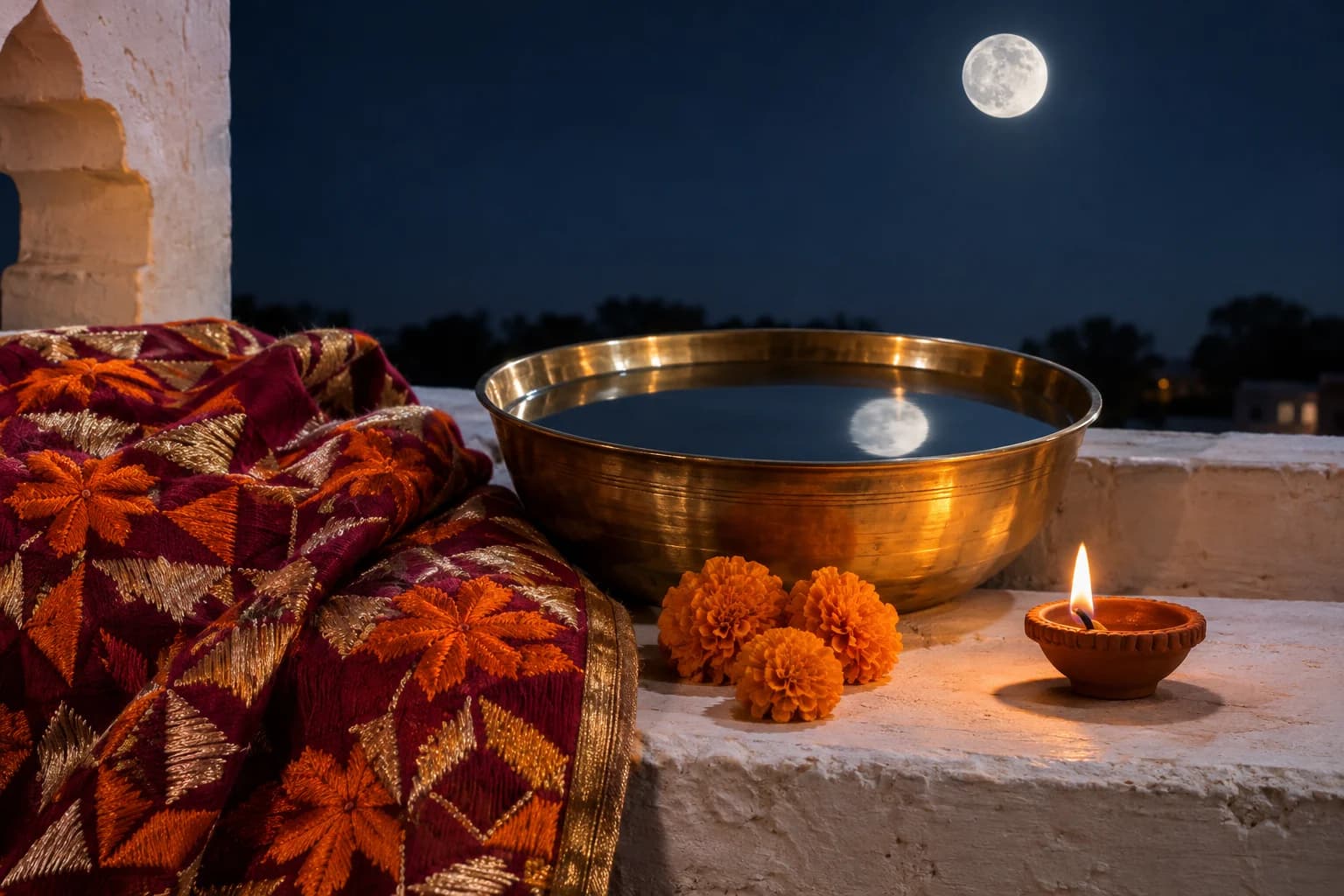
From Devshayani Ekadashi in the month of Ashadh, the popular belief goes, Lord Vishnu goes into yog nidra, a yogic sleep, on Sheshnaag in the Ksheer Sagar, the ocean of milk. He rests there for four months. This stretch is called Chaturmas, from chatur, four, and maas, month.
While the keeper of the world rests, auspicious beginnings wait: no weddings, no griha pravesh, the housewarming, and no mundan, a child’s first haircut. How strictly families keep it varies from community to community and region to region.
Dev Uthani: the Ekadashi of the god’s waking
Chaturmas ends on the Ekadashi of the bright half of Kartik, about twelve days after Diwali. It is also called Prabodhini Ekadashi, the Ekadashi of awakening. In 2026 it falls on Friday 20 November, according to the prokerala panchang, though the date can shift with region and panchang.
Dev Uthani means the god rising. Vishnu ji wakes, and the four months of waiting are over.
‘Utho dev, baitho dev’
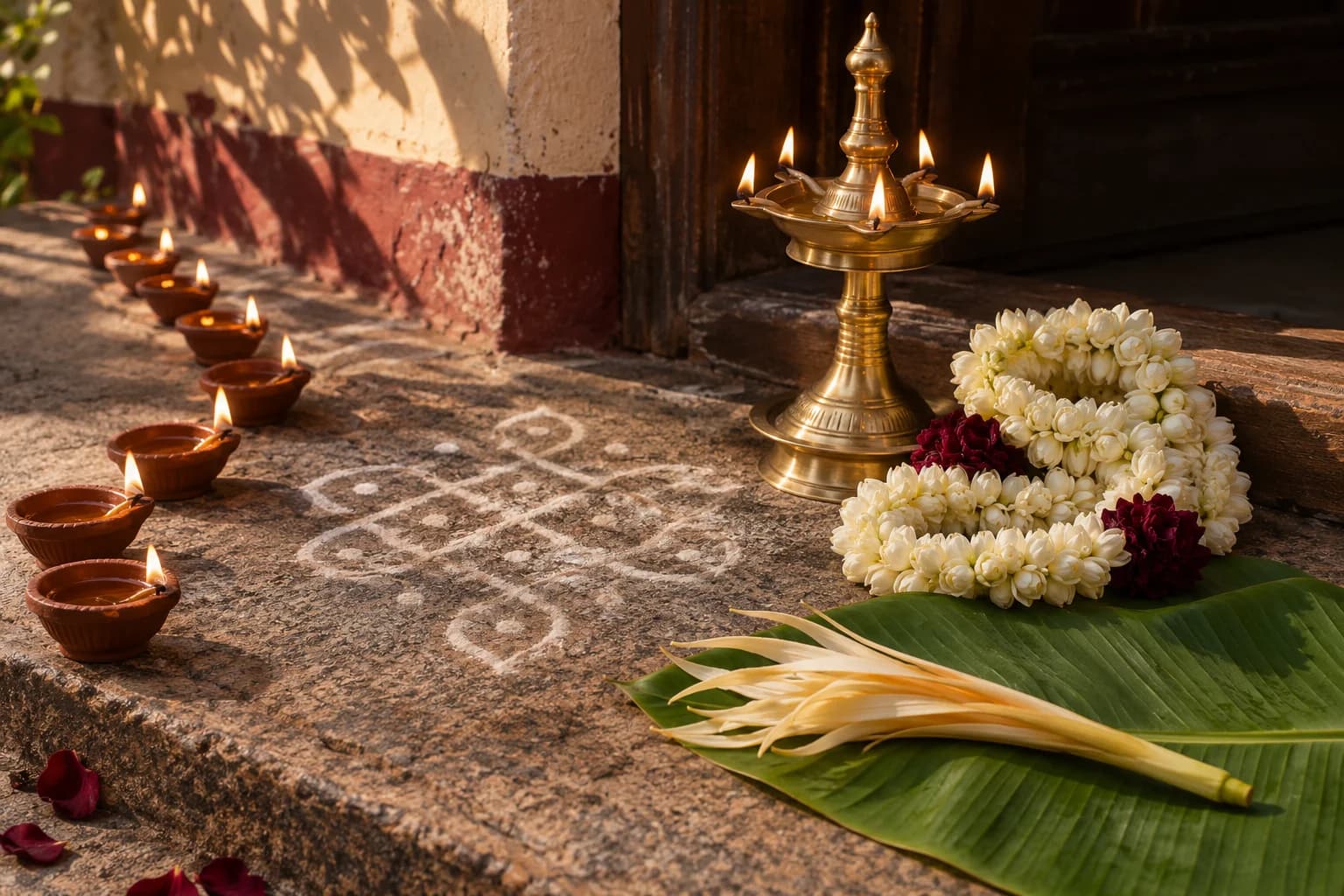
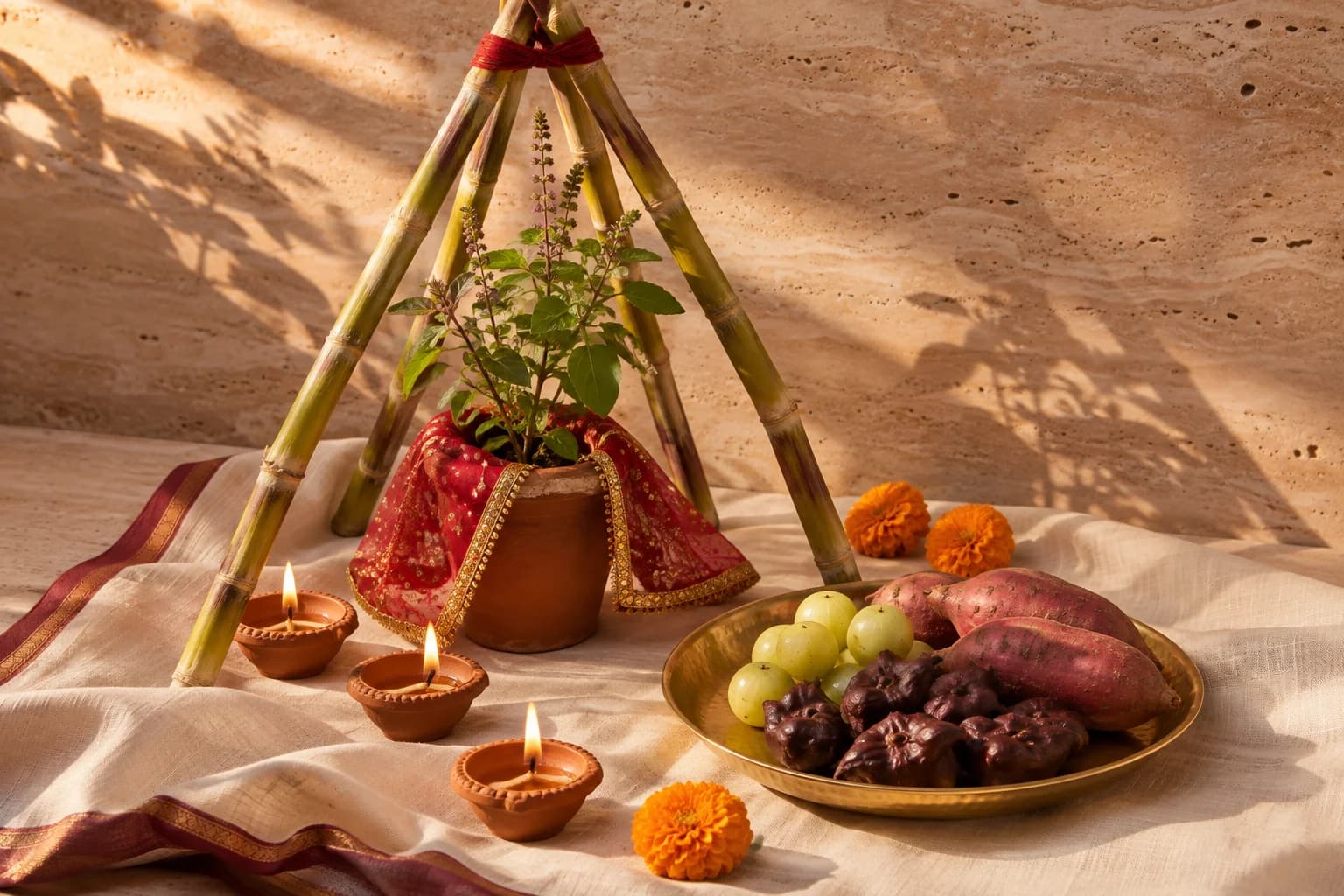
In many homes in UP and Bihar, a chowk, a decorative pattern, is drawn on the courtyard floor, a small mandap of sugarcane goes up, and the women of the house sing the old Dev Uthani song to wake him: utho dev, baitho dev. Wake up, O god, sit up, O god.
The first wedding: Tulsi Vivah
And the moment he wakes, there is a wedding. Vishnu ji, in the form of the Shaligram, a sacred black stone, is married to Tulsi ji, the holy basil plant that grows in so many courtyards. Depending on the region, Tulsi Vivah is held on Dev Uthani Ekadashi or the day after.
Why Tulsi? The katha of Vrinda
A katha, as it is popularly told, explains it. Vrinda was a devoted wife, and her devotion made her husband, Jalandhar, invincible. To protect the gods, Vishnu ji broke Vrinda’s vow.
Heartbroken, Vrinda cursed him to turn to stone, and Vishnu ji accepted it: he became the Shaligram. Vrinda became Tulsi. And Vishnu ji made her a promise: no offering to him would be complete without her, and every year, he would marry her. Families tell the story in many ways, but the promise is the part everyone remembers.
First the god’s wedding, then ours
That is why Tulsi Vivah is called the first auspicious wedding of the year. Once it is done, the season opens: band, baaja, baaraat, and one muhurat, an auspicious time, after another. For many families, the dates run until Kharmas, when the Sun enters Dhanu in mid-December.
Pehle bhagwan ki shaadi… phir humari! Muhurat hi muhurat! First the god’s wedding… then ours! One muhurat after another!
Wedding season on your invitation
In many parts of North India, the weeks after Dev Uthani are among the busiest of the wedding year, so families planning a November or December wedding book venues, caterers and pandits early. Tell guests your dates as soon as they are fixed, since many will have more than one wedding on the same weekend. Give each function its own date, time and venue, and put the muhurat on the card exactly as your pandit gave it.
Waise… Vishnu ji toh chaar mahine mein jaag gaye. Fufa ji ka RSVP… abhi bhi so raha hai. By the way… Vishnu ji woke up in four months. Fufa ji’s RSVP is still asleep.
So give a reply-by date, one that leaves time to confirm numbers with the caterer, and ask guests to reply for each function, since the mehndi, the wedding and the reception rarely have the same count.
Hindu wedding invitations: wording, functions and templates
Work out your RSVP date with the free deadline calculator
Vivah Panchami: why many homes avoid weddings on Ram and Sita’s day
Quick answers
- Why do Hindu weddings start after Diwali? Many families avoid weddings during Chaturmas, when Lord Vishnu is believed to rest, and wait for him to wake on Dev Uthani Ekadashi.
- When is Dev Uthani Ekadashi? On the Ekadashi of the bright half of Kartik, about twelve days after Diwali. In 2026 it is on 20 November; dates vary by region and panchang.
- What is Tulsi Vivah? The ritual wedding of Tulsi ji, the holy basil plant, to Vishnu ji in the form of the Shaligram, held on Dev Uthani Ekadashi or the day after.
- What is sung on Dev Uthani? In many homes in UP and Bihar, the women sing ‘utho dev, baitho dev’ to wake Vishnu ji.
Inviteeq Editorial द्वारा लिखा गया। हम ये लेख कैसे लिखते और जाँचते हैं