Vasant Panchami weddings: why no muhurat is needed, and why yellow
Vasant Panchami is considered an abujh muhurat: the whole day is shubh, so many families fix weddings on it. What that means, Saraswati Puja, why everyone wears yellow, and Kamadeva.
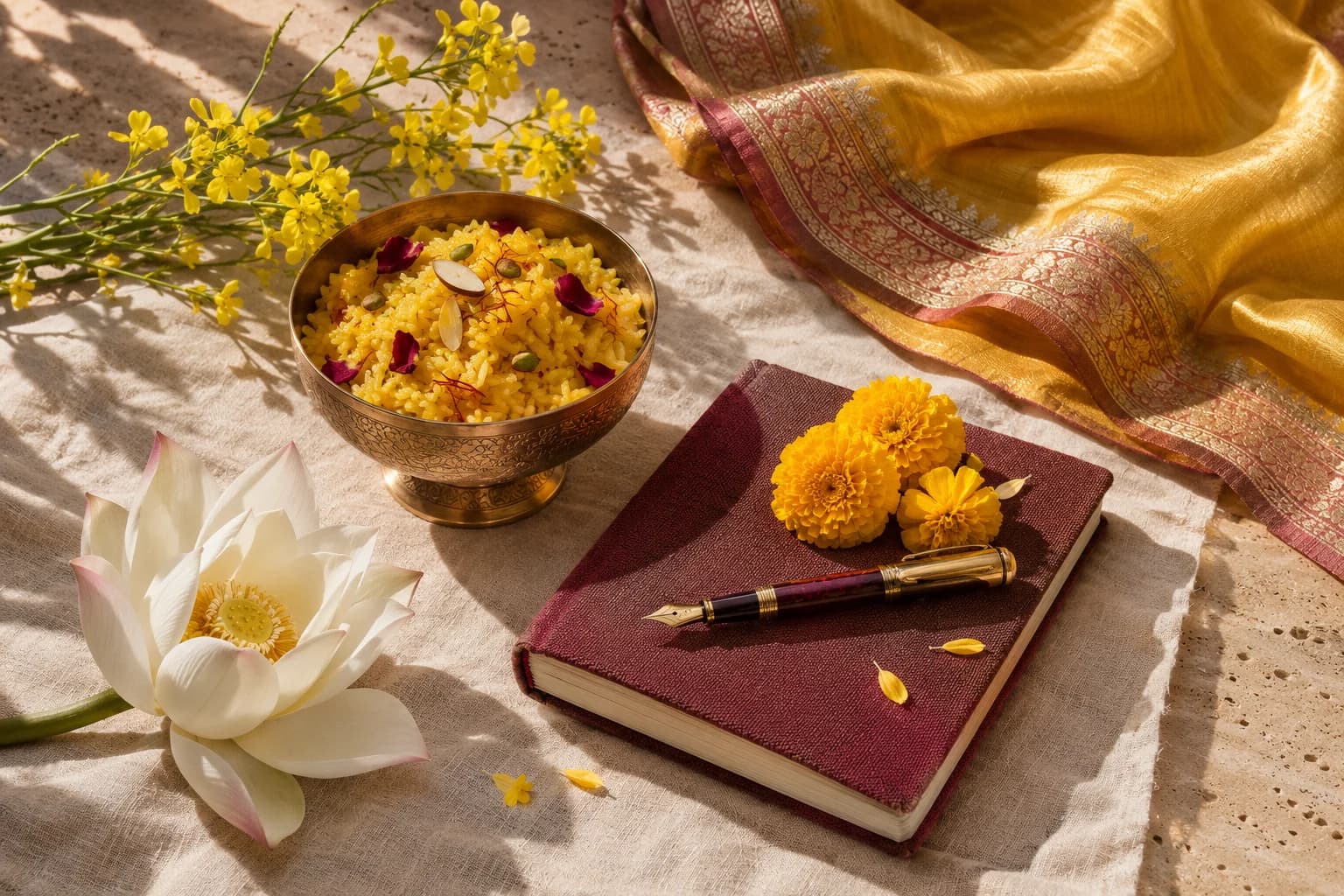
Vasant Panchami is considered an abujh muhurat, a day that is auspicious from start to finish, so no separate muhurat has to be worked out. That is why many families fix weddings, griha pravesh and a child’s first lesson on it. It is also Saraswati Puja, and people wear yellow for the spring.
For most weddings, the pandit ji spends weeks with the panchang, the Hindu almanac, looking for the one right hour. Then Vasant Panchami comes round, and the town is suddenly full of baraats, nobody has asked for a muhurat, and everyone, from the bride to Bua ji, is dressed in yellow.
What is Vasant Panchami?
Vasant Panchami, also called Basant Panchami, falls on the Panchami, the fifth day, of the bright half of the month of Magha, usually in late January or February. Vasant means spring, and the day is kept as its arrival. In 2027 it falls on Thursday 11 February, according to drikpanchang.com for New Delhi; dates vary by region and panchang.
Abujh muhurat: the whole day is shubh
Abujh means unasked, or not needing to be worked out. Many astrologers consider Vasant Panchami an abujh day, auspicious for starting any good work, so there is no need to search the panchang for a separate muhurat. The day itself is the muhurat.
So many families fix the big beginnings on it: weddings, griha pravesh, the first entry into a new home, and vidyarambh, a child’s first lesson. It is a common practice in North India rather than a rule, and some families still ask their pandit to check, for example when Shukra or Guru is asta, set. Customs vary, so ask your family pandit.
Poora din hi shubh, alag muhurat ki zaroorat nahi. The whole day is auspicious, no separate muhurat needed.
It is also Saraswati Puja
Vasant Panchami is also Saraswati Puja, the day of Saraswati, worshipped for knowledge, music and the arts. Her symbols are the veena, the white lotus and the swan. A day of learning is a natural one for vidyarambh, and many families keep the two together.
Why does everyone wear yellow?
Because basant, the spring, has arrived, and across North India the sarson, the mustard fields, turn yellow. So the clothes are yellow, the dupattas are yellow, and in many homes the rice is yellow too: kesari meethe chawal, sweet rice with saffron, often made as prasad. It is a household custom, not a rule, and every family has its own version.
Basant aaya, sarson ke khet peele ho gaye! Spring is here, the mustard fields have turned yellow!
And Kamadeva arrives with the spring
Kehte hain, they say, Kamadeva, the god of love, arrives with the spring too. In the popular telling, Vasant, the spring, is his companion, and classical literature describes his spring festivals, the Vasantotsava and the Madanotsava. It is a story about the season rather than a ritual of the day, but it is easy to see why a day of spring, love and an open muhurat fills up with weddings.
And then there is Bua ji, who wears yellow every day. Just in case.
Bua ji roz peela pehenti hain, muhurat kabhi bhi nikal sakta hai! Bua ji wears yellow every day, a muhurat could turn up any time!
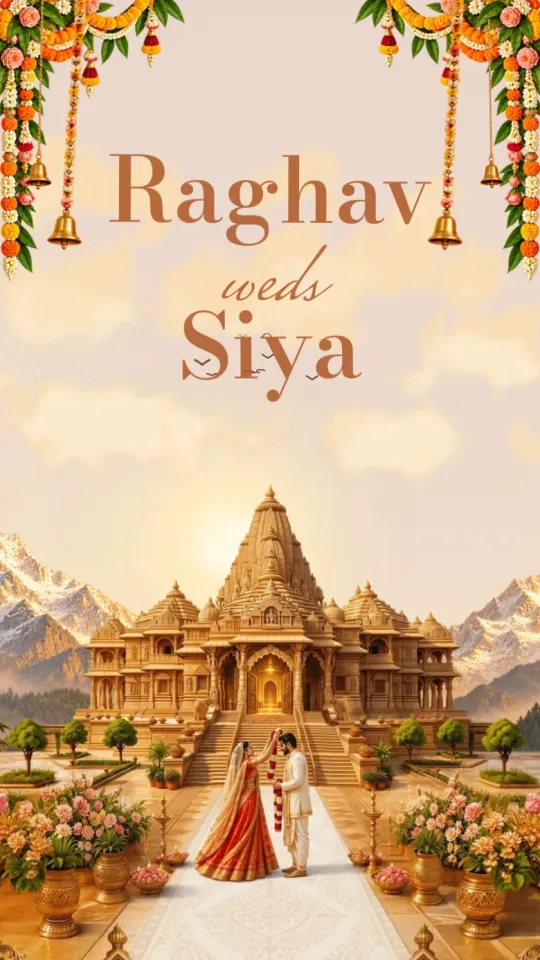
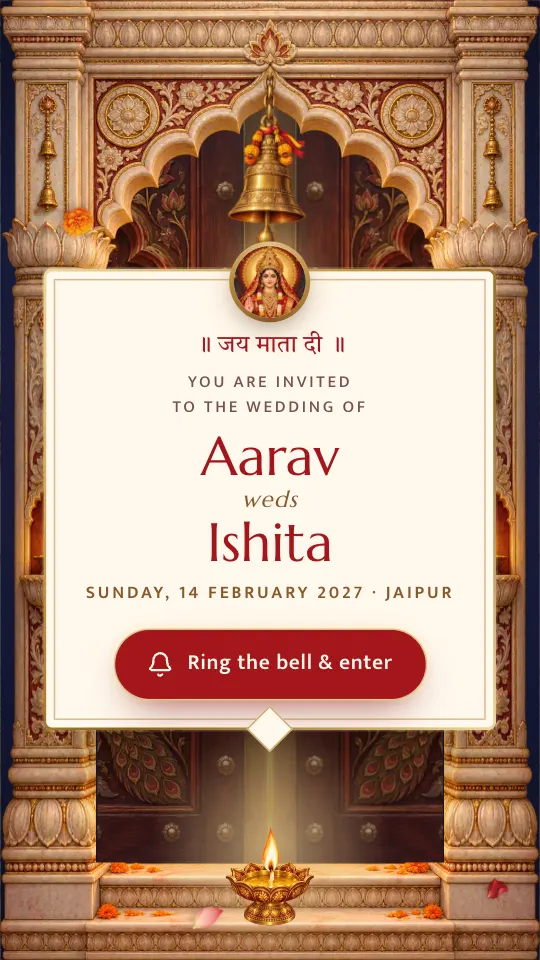
A Vasant Panchami wedding on your invitation
An abujh muhurat is often chosen at short notice, so send your invitation as soon as the date is fixed, and give every function a clock time even though the whole day is shubh: guests still need to know when the baraat leaves and when the pheras begin. It is a popular wedding day, so many guests will have more than one wedding to attend; a clear time and a map help them plan. If you would like everyone in yellow, say so on the card, and ask guests to reply for each function.
Hindu wedding invitations: wording, functions and templates
Akshaya Tritiya: why people buy gold, and why it is a wedding day
First wedding card to Ganesh ji, and the lagna patrika
Quick answers
- Why is no muhurat needed on Vasant Panchami? Many astrologers consider it an abujh muhurat: the whole day is auspicious, so no separate muhurat is worked out.
- What is an abujh muhurat? A day considered auspicious from start to finish, on which good work can begin without checking the panchang for a time.
- Why do people wear yellow on Vasant Panchami? For the spring, when the mustard fields turn yellow; many homes also make yellow, saffron sweet rice.
- Is Vasant Panchami the same as Saraswati Puja? Yes, the day is also kept as Saraswati Puja, for knowledge, music and the arts.
Written by Inviteeq Editorial, with care for every celebration. How we write and check these stories